Adventure, baby!

indigenous culture

Visit Red Hands Cave in the Blue Mountains National Park

Visit Red Hands Cave in the Blue Mountains National Park

Red Hands Cave in Blue Mountains National Park is one of the best examples of Aboriginal rock art in this part of Sydney.

Red Hands Cave

Located in the Glenbrook area of the Blue Mountains National Park, Red Hands Cave can be reached via the 8km Red Hands Cave loop walking track which starts at the causeway near the park entrance.

Red Hands Cave

The cave can also be accessed by driving around 13km past the park entrance (it takes around 30-40 minutes), along the unsealed Oaks trail and Red Hands trail, to Red Hands Cave carpark, for a 1km return walk.

Red Hands Cave

Red Hands Cave features thousands of layered hand prints and stencils, thought to have been painted between 500 and 1600 years ago. The vibrant colours of red, yellow and white are still highly visible, creating a stunning collage inside the cave. 

Red Hands Cave

Indigenous artists would have created these stencils though several techniques including chewing a mixture of ochre and water, and then blowing it over a hand resting on the wall, forming a stencil.

Aboriginal axe grinding grooves can also be spotted in the rocks beside Camp Fire Creek, in the walk to the cave.

Red Hands Cave has a protective grate in front of it, however the art is still easily visible through the holes. Photos are allowed, however please don’t use a flash as that can damage the art work.

Red Hands Cave

The walk to the cave is an easy 500m walk. Oh a hot day, however, you will need a hat, sunscreen and water. 

There are basic restroom facilities available at the car park.

Read more about visiting Red Hands Cave.

A trip to the nearby Jellybean Pool makes for a great day trip in the Blue Mountains National Park.

Read more about Blue Mountains road trip ideas.

Red Hands Cave

More things to do in Sydney

Find a list of the best things to do in Sydney with kids.

Find things to do in Sydney for free.

Explore the best Sydney gardens and parks.

Get a list of the best kid-friendly beaches in Sydney.

Find the best animal experiences in Sydney.

Chase waterfalls in Sydney.

More things to do on the Central Coast.

Visit the best kid-friendly restaurants in Sydney.

Find the best high teas in Sydney.

Things to do in the Southern Highlands.

Head to one of the best museums in Sydney.

Check out things to do in Sydney on a rainy day.

Enjoy one of the best ocean pools in Sydney.

First time visiting Sydney? Get tips for first time visitors to Sydney.

Cool down at one of these free water parks in Sydney.

Find the best vegetarian and vegan restaurants in Sydney.

Get a list of the best playgrounds in Sydney.

Find the best ice cream and gelato in Sydney

Things to do in the Blue Mountains.

Plan amazing NSW road trips.

Pick your own fruit: fruit picking Sydney.

The best things to do in Western Sydney and Parramatta with kids.

Visit the most beautiful Sydney gardens.

Explore Sydney’s best parks.
Find things to do in Wollongong.

Kakadu Dreaming: My Travel Bucket List

Kakadu Dreaming: My Travel Bucket List via christineknight.me #travel

With our relatively small population, you could be forgiven forgetting what a big country Australia is. It’s the 6th largest country in the world, about twice the size of the whole of Europe. From hip urban cities to deserts and wetlands, Australia is a country you need a lifetime to explore.

As a Sydney girl, I’ve seen a lot of the east coast of Australia. I’ve yet to visit an area that is high on my travel bucket list – the Kakadu area in the Northern Territory. Recently I learned a lot about the amazing nature and cultural experience Kakadu has to offer, and I can’t wait to visit when Cheese is a little bit older and ready for the adventure. I’ve put together a bit of information for you to start your Kakadu dreaming, too.

What is Kakadu?
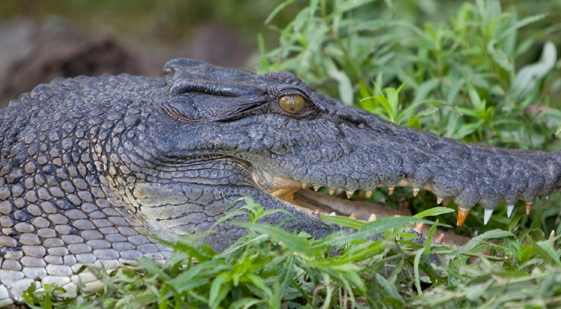
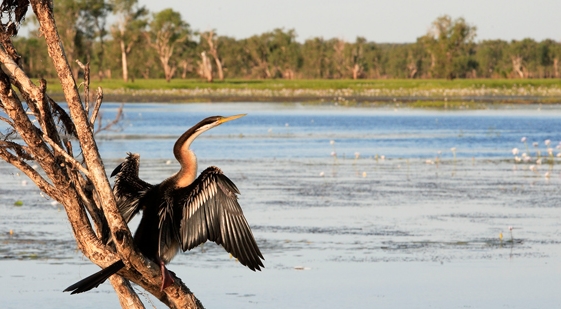
Kakadu National Park is the largest park in Australia, covering almost 20,000 square kilometres. The park includes wetlands and rivers, and is home to around 2,000 plant species and wildlife from saltwater crocodiles to turtles and birds. Kakadu also features Aboriginal rock-art paintings dating to prehistoric times.

Kakadu Dreaming: My Travel Bucket List via christineknight.me #travel

Actually, where is Kakadu? How do I get there?
The easiest way is by coach tour or by hiring a car, and traveling from Darwin or Katherine. I just Googled how to get to Kakadu and, as a side note, it’s a 42 hour drive from Sydney, if you feel like an epic road trip.

Kakadu Dreaming: My Travel Bucket List via christineknight.me #travel

Where should I go in Kakadu?
The area of Kakadu I’m talking about in this post is called Gagudju. Gagudju Dreaming, part of Kakadu Tourism, is the largest collection of facilities catering to tourism in Kakadu and includes accommodation and various tours and cruises. It’s also an eco-certified ecotourism destination.

Kakadu Dreaming: My Travel Bucket List via christineknight.me #travel

Who should visit Kakadu?
Anyone can visit Kakadu, but it’s best suited for adults and families with kids eight years old and older. The adventure tours to see much of the beauty of Kakadu are limited to participants aged eight and over.

Kakadu Dreaming: My Travel Bucket List via christineknight.me #travel

What do I do there?
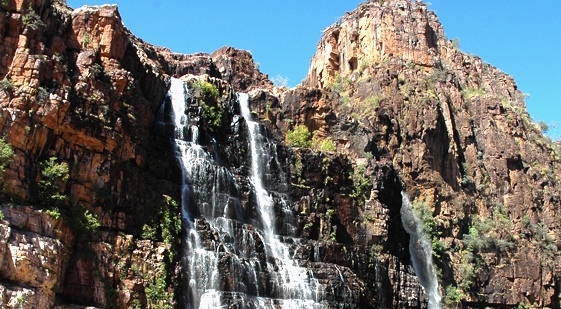
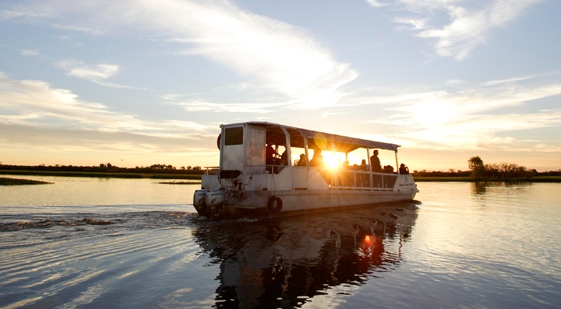
The three big things people travel to Kakadu to see are waterfalls, wetlands and indigenous culture. Yellow Water Cruises operate several cruises a day on Kakadu’s most famous wetland, Yellow Water Billabong, and has been awarded the winner of the 2012 Qantas Australian Tourism Award for Major Tour and/or Transport Operators. Spirit of Kakadu Adventure Tours use a modern fleet of 4WD vehicles for all day off-road adventures to visit the waterfalls, swimming holes and escarpments of Kakadu. Warradjan Cultural Centre gives insights into the culture, history and the effects of white settlement of the Bininj people in interactive displays and exhibitions.

Kakadu Dreaming: My Travel Bucket List via christineknight.me #travel
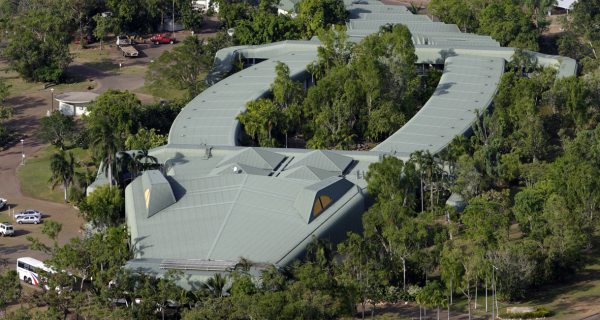
Gagudju Crocodile Hotel, Jabiru. Kakadu NP accommodation tourism hospitality architecture IHG
Photographer: David Hancock. Copyright: SkyScans

Where do I stay?
While there are several types of accommodation (including Yellow Water Camping and Cooinda Lodge) families will the Kakadu Crocodile Hotel which is, as the name suggests, shaped like a giant crocodile. The hotel has a beautiful outdoor (and shaded!) pool and is the perfect spot to stay while exploring Kakadu National Park. The hotel is a relaxing, air-conditioned place to take a breather after your days out adventuring. Food-wise, you can enjoy modern Australian cuisine in air-conditioned comfort, enjoy a full Australian breakfast, snack and lunch menu, buffet, and a la carte dining.

Kakadu Dreaming: My Travel Bucket List via christineknight.me #travel

When should I go?
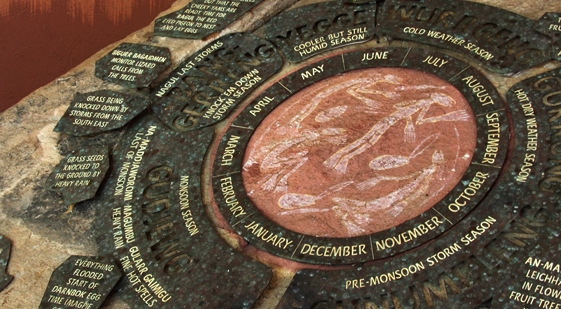
Kakadu has two seasons: wet and dry. The wet season is November to March and the dry is April to October. Depending on when you go, there are different experiences to try. The dry season is the most popular time of year to visit, when most of the sites are open for tourists. Hotels are more expensive during this season. If you visit during the wet season, you can expect to see spectacular floods and storms with fewer visitors. While some attractions are closed during the wet season, popular areas such as Nourlangie and Yellow Water are open all year round. Plan your itinerary online.

Are you dreaming of Kakadu too? What’s on your travel bucket list?

This post was produced in conjunction with Gagudju Dreaming.

Pin it!

Kakadu Dreaming: My Travel Bucket List via christineknight.me #travel